Pteropus bat with offspring
Journal of Animal Ecology 2025
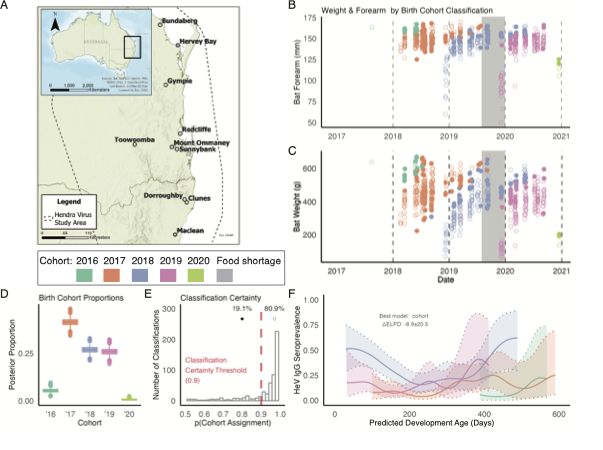
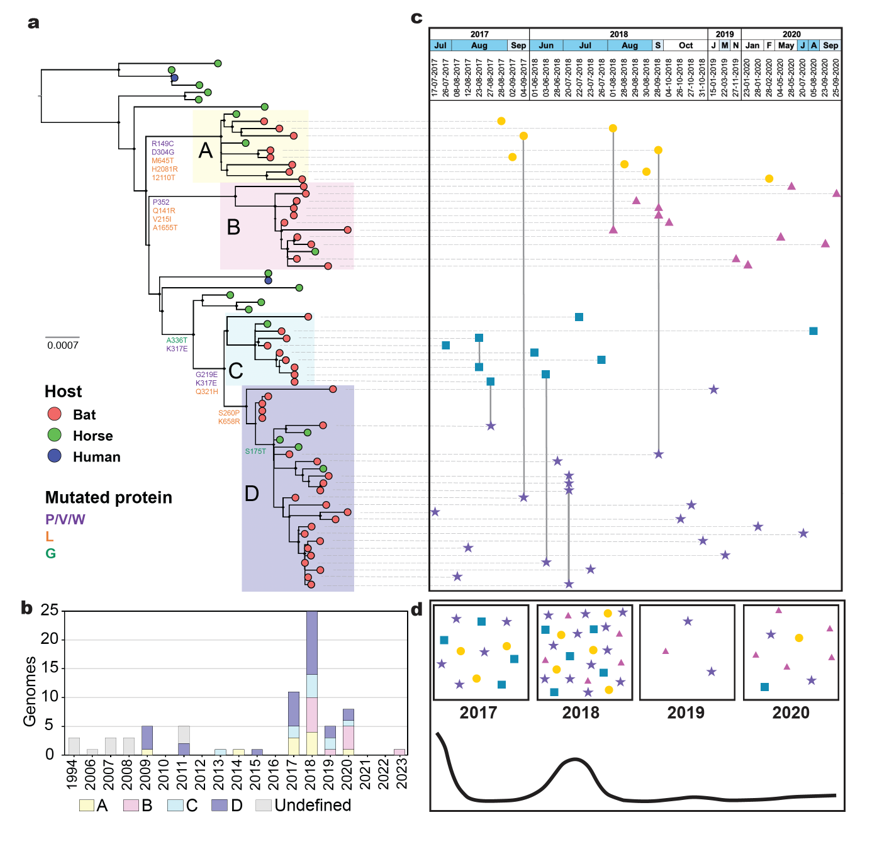
Cohorts of immature Pteropus bats show interannual variation in Hendra virus serology
How is Hendra virus maintaining transmission?
Bat antibody diversity figure
PLOS Biology 2024
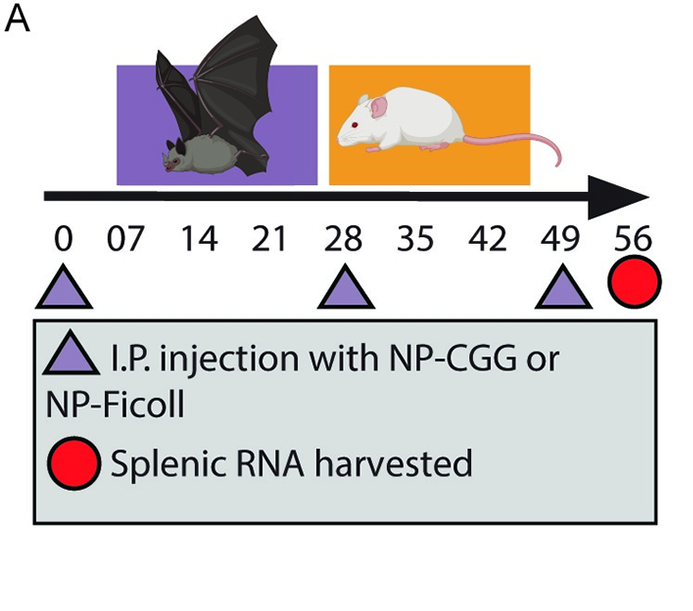
Bats generate lower affinity but higher diversity antibody responses than those of mice, but pathogen-binding capacity increases if protein is restricted in their diet
Experimental infection models reveal surprising patterns in how bats make their antibodies.
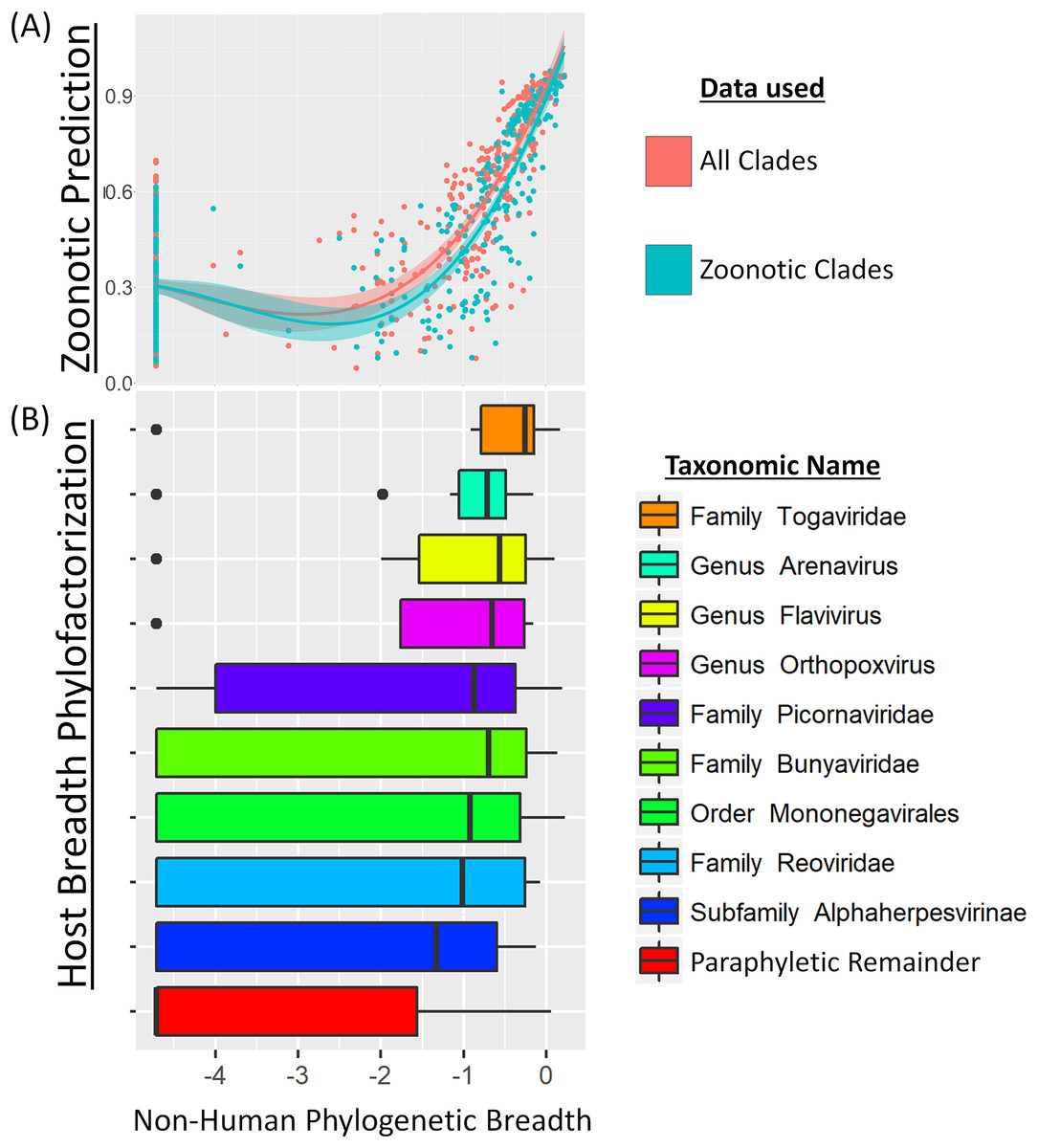
Bat reservoir phylogeny figure
Vaccines 2020
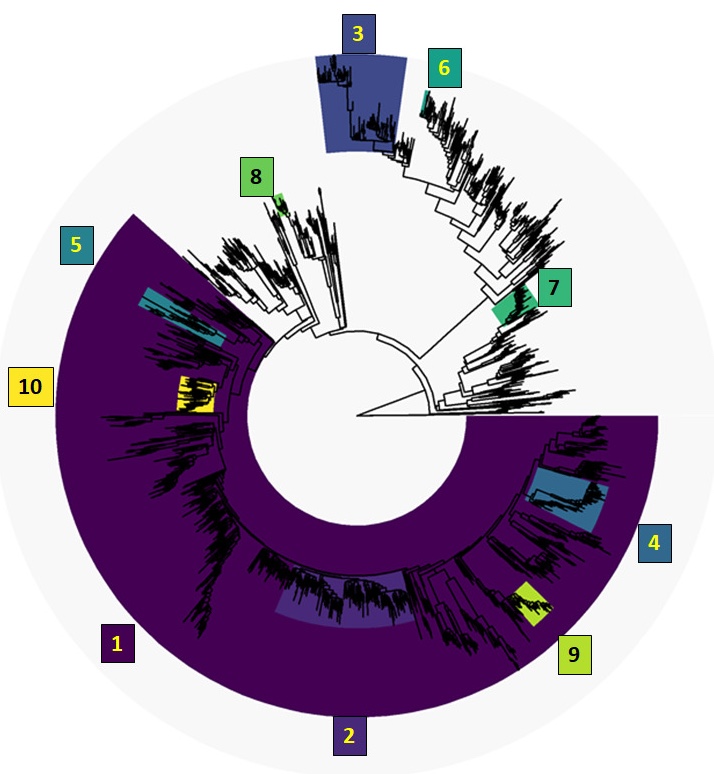
Identifying Suspect Bat Reservoirs of Emerging Infections
Analyses of phylogenies help us look for where Ebola virus and henipaviruses may be hiding.
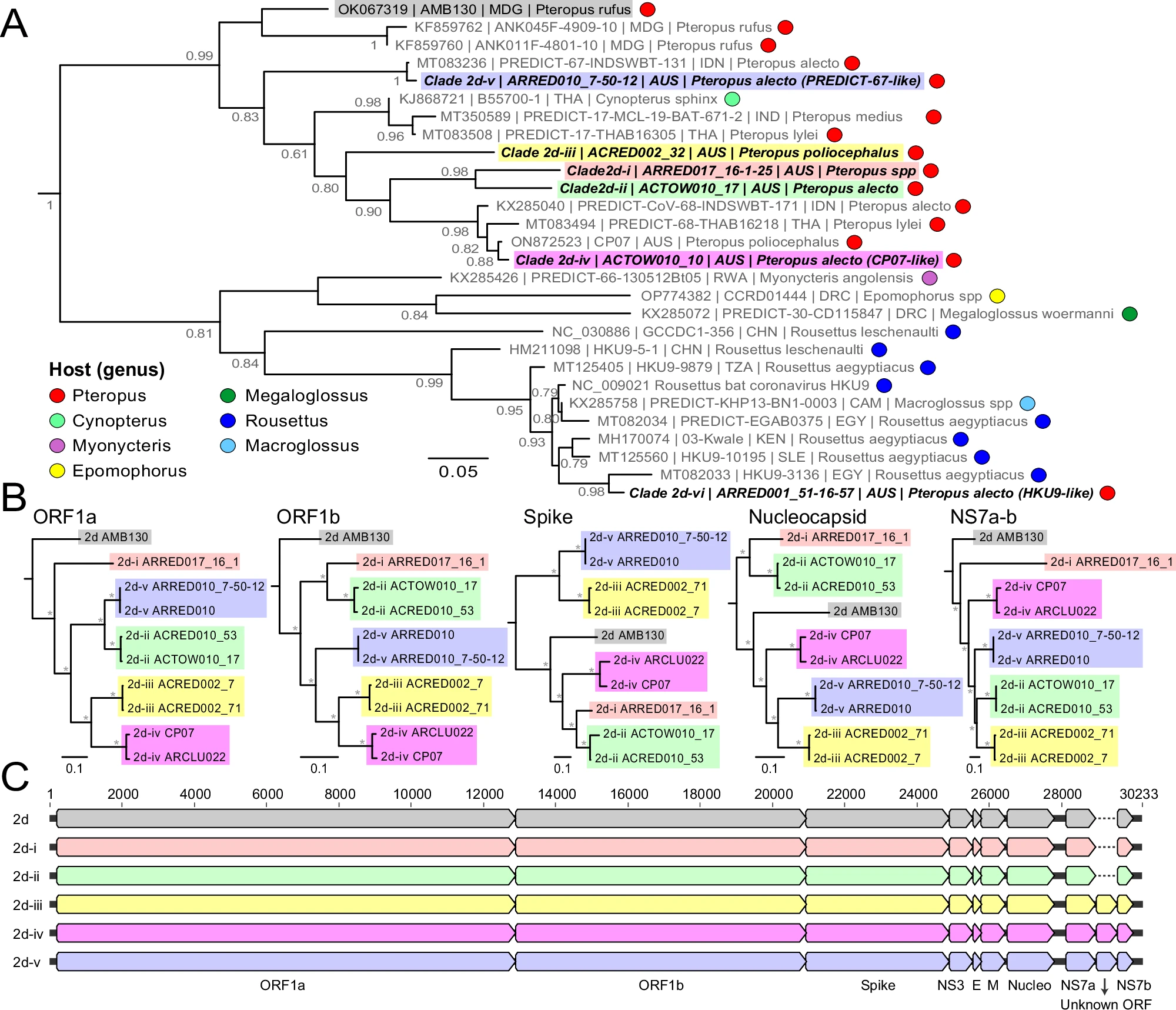
Coronavirus spillover pathways figure
Nature Reviews Microbiology 2022
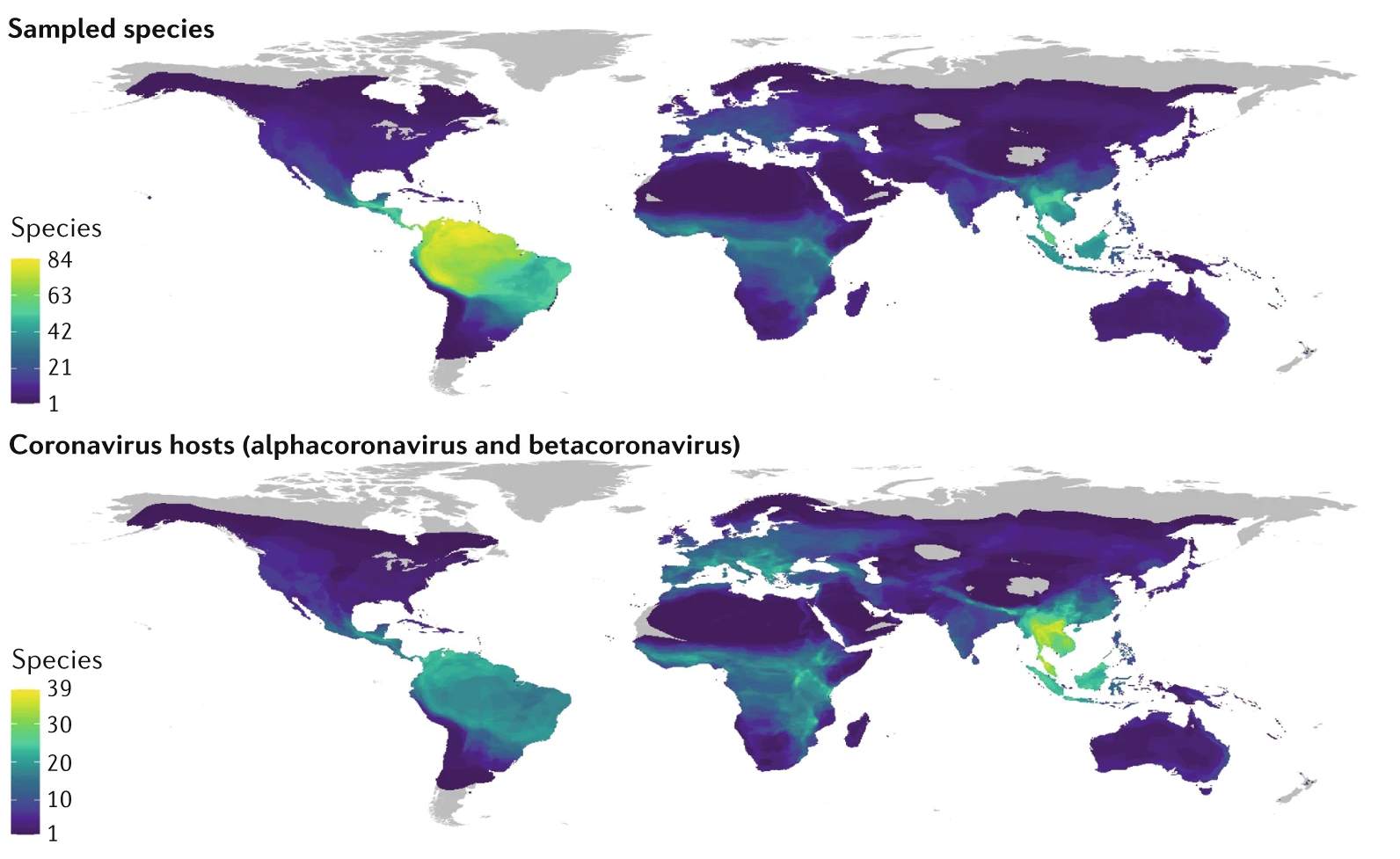
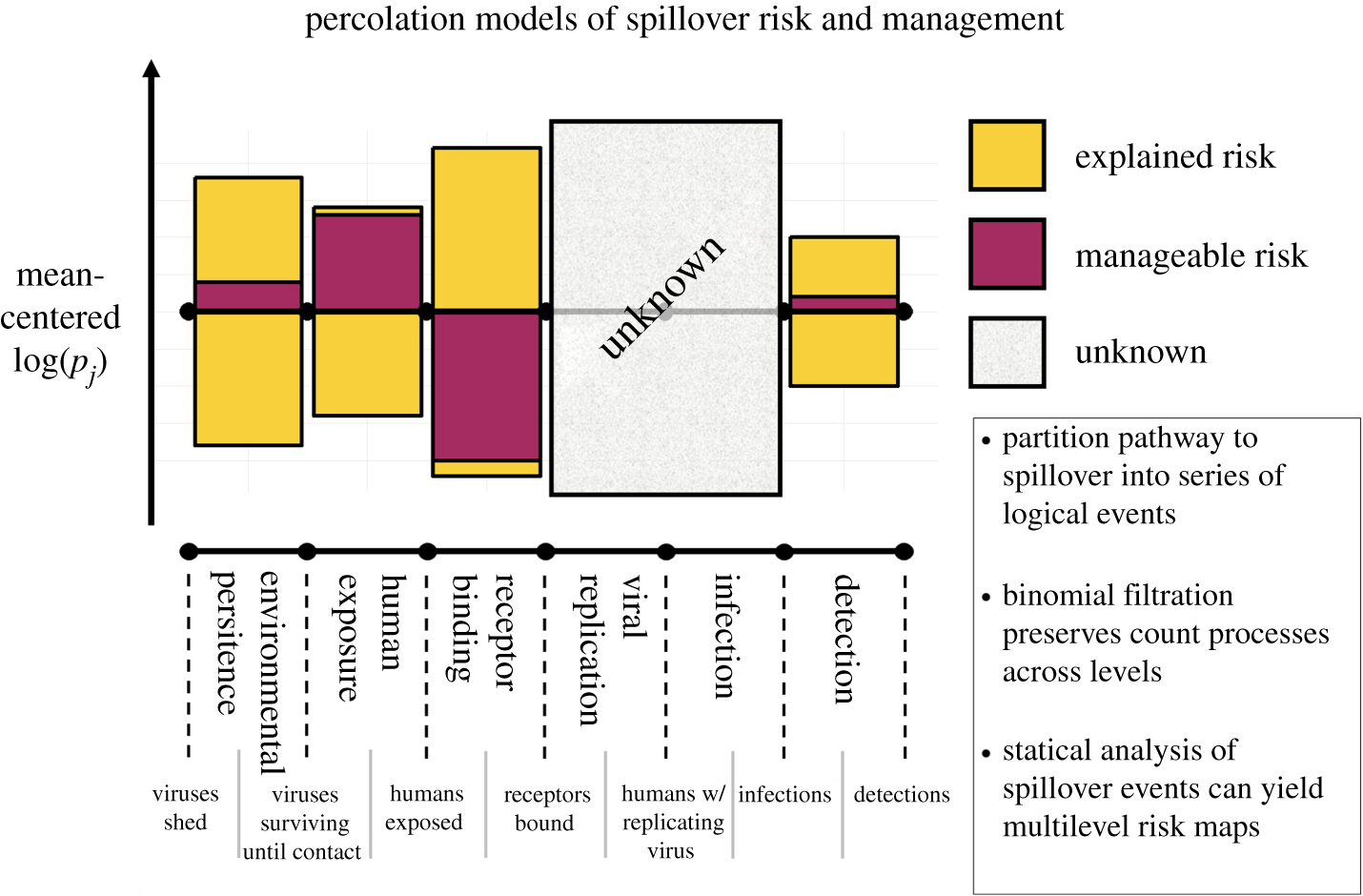
Ecology, evolution and spillover of coronaviruses from bats
A wealth of information on coronavirus spillover events.
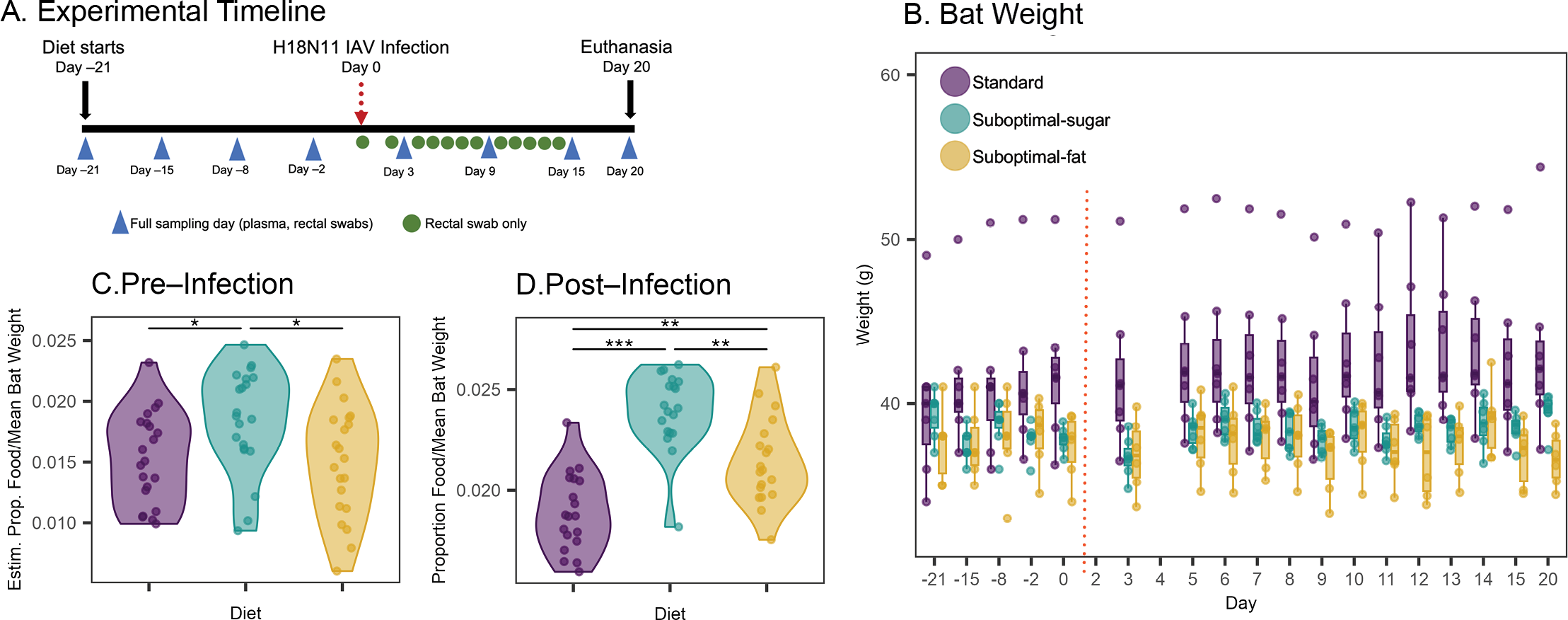
Diet and viral shedding figure
Proceedings of the Royal Society B 2025
Diet-induced changes in metabolism influence immune response and viral shedding in Jamaican fruit bats
A high fat diet leads to more viral shedding.
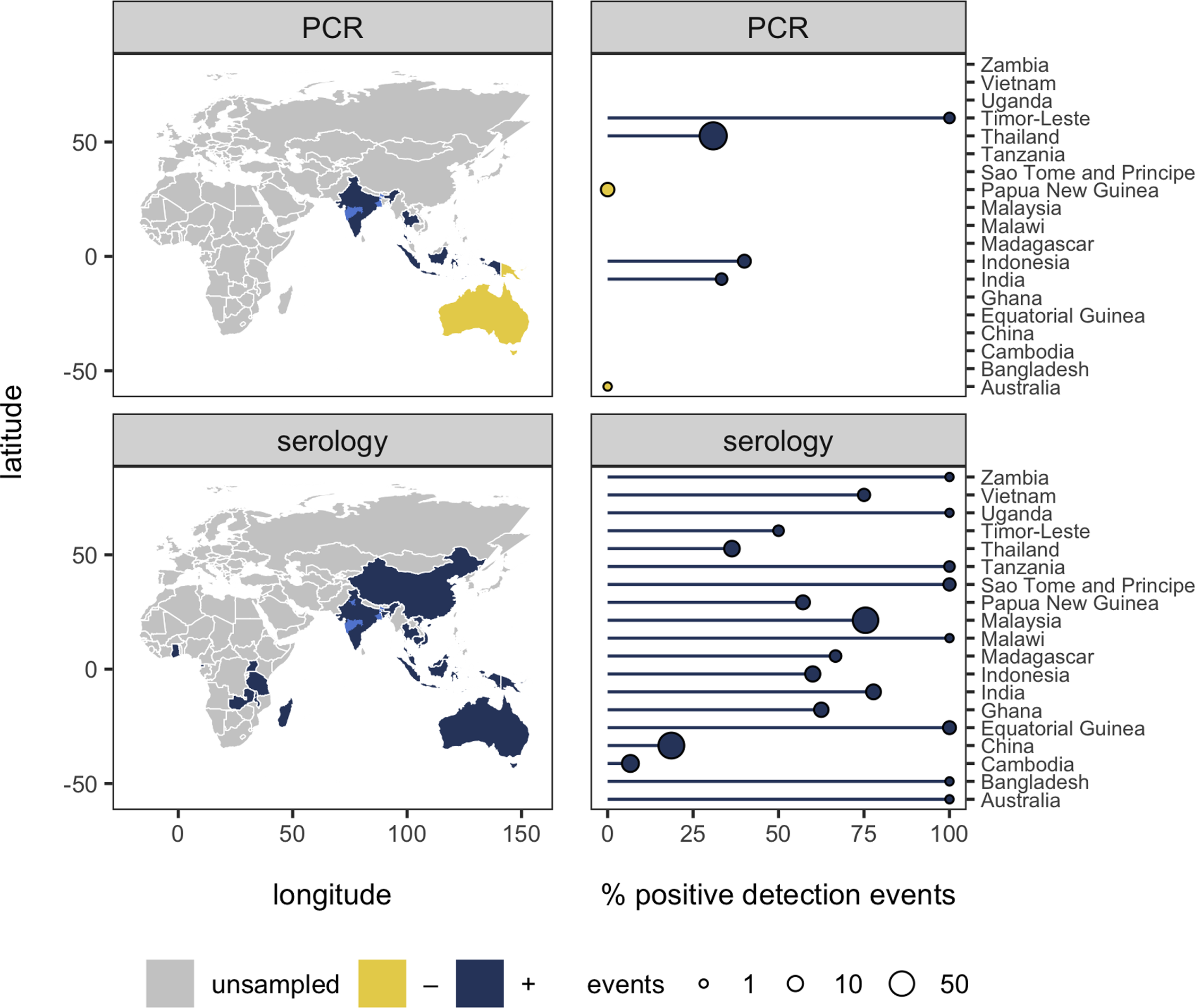
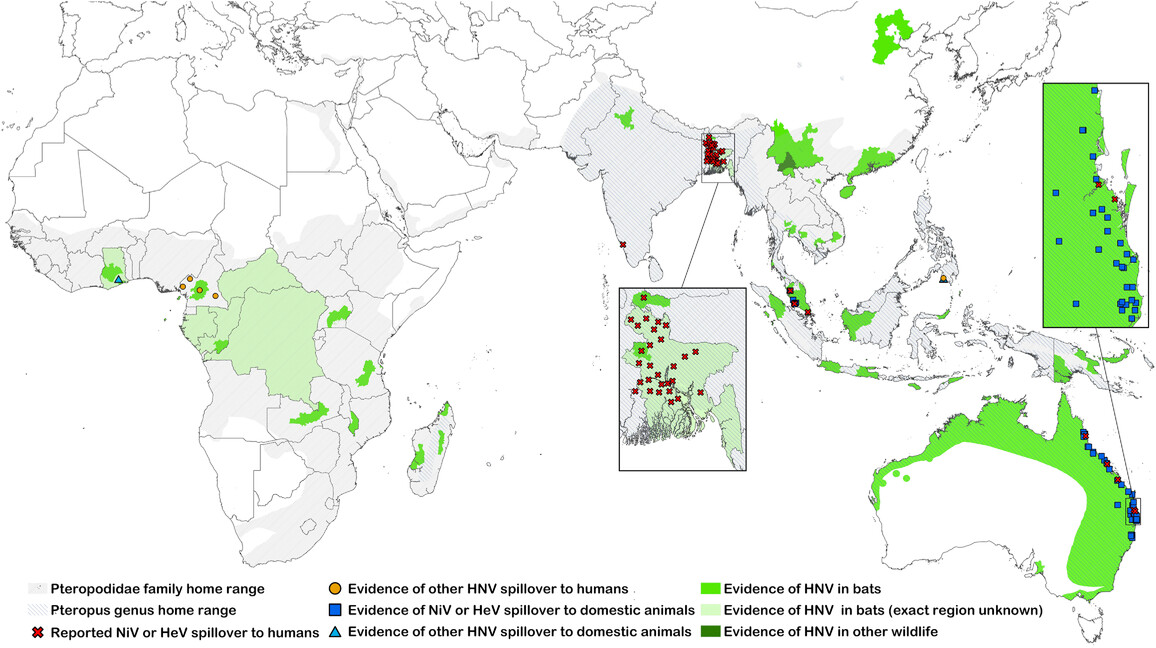
Nipah virus surveillance map
PLOS Neglected Tropical Diseases 2019
Prioritizing surveillance of Nipah virus in India
After a surprising spillover event in India, we help prioritize future surveillance steps.

Experimental work on how bats harbor and shed dangerous viruses

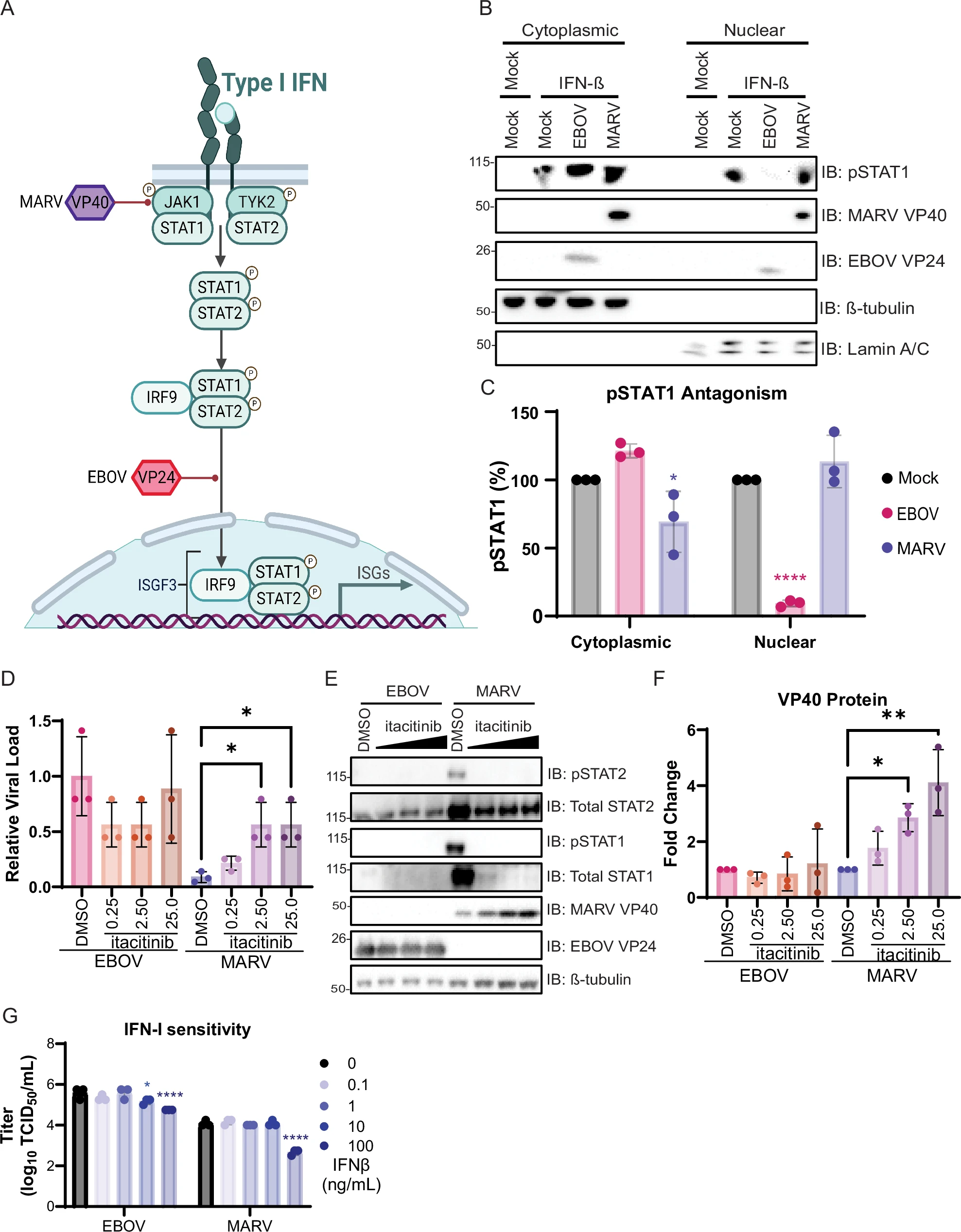
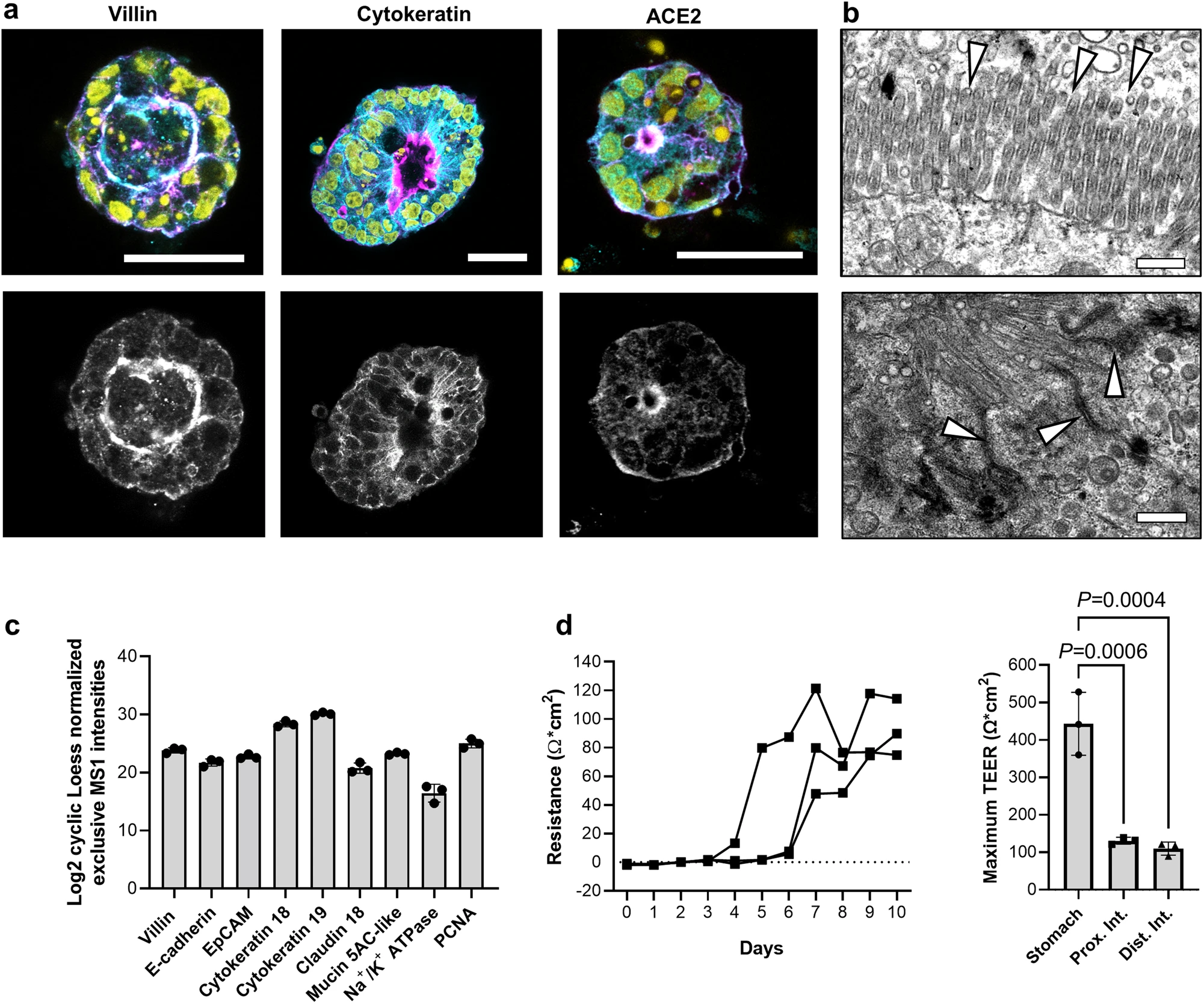
Bats are the natural reservoirs for henipaviruses, filoviruses, coronaviruses, and other high-consequence pathogens. We have theories about the epidemiology of the viruses they carry, but those theories are hard to test in the field. Captive colonies (Caylee Falvo and I started two) let us test them in controlled settings — usually asking how bat immune systems tolerate infection, and what conditions cause shedding to spike.

Epidemiology of spillover: predicting when and where bat viruses reach people

The risk of pathogen spillover is rarely stable. We observe seasonal pulses, sudden shifts, and long-term trends in viral shedding from wildlife. Long-term epidemiological surveillance helps us observe these patterns and identify the mechanisms behind them.

Macroecology of zoonotic pathogens

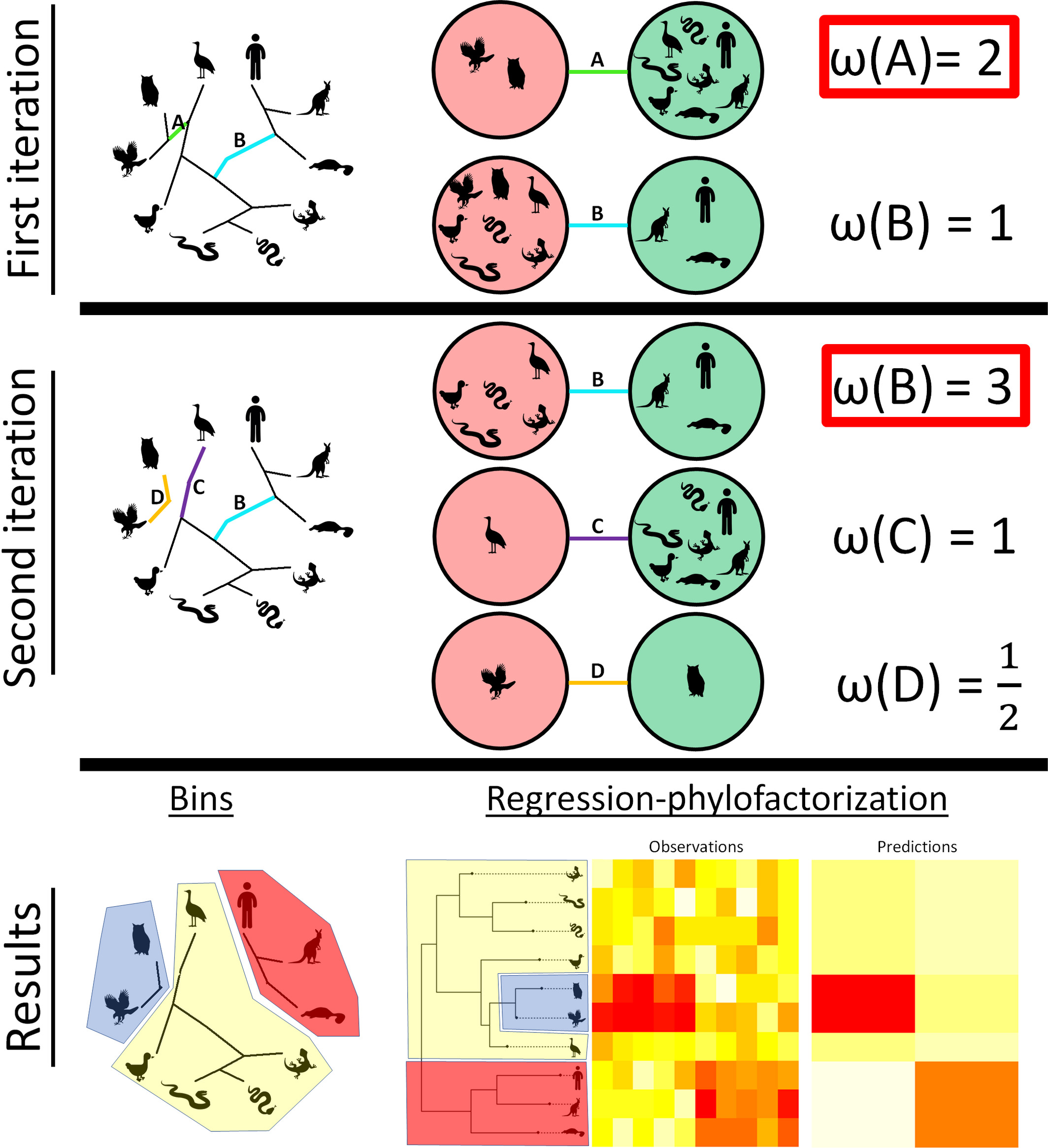
There's no shortage of meta-analyses in disease ecology. We tried to bring new tools to the table — phylogenetic methods, graph-partitioning algorithms — to ask better questions about viral spillover risk, and where we should be looking harder for new threats.

Wildlife conservation modeling for the Department of Defense

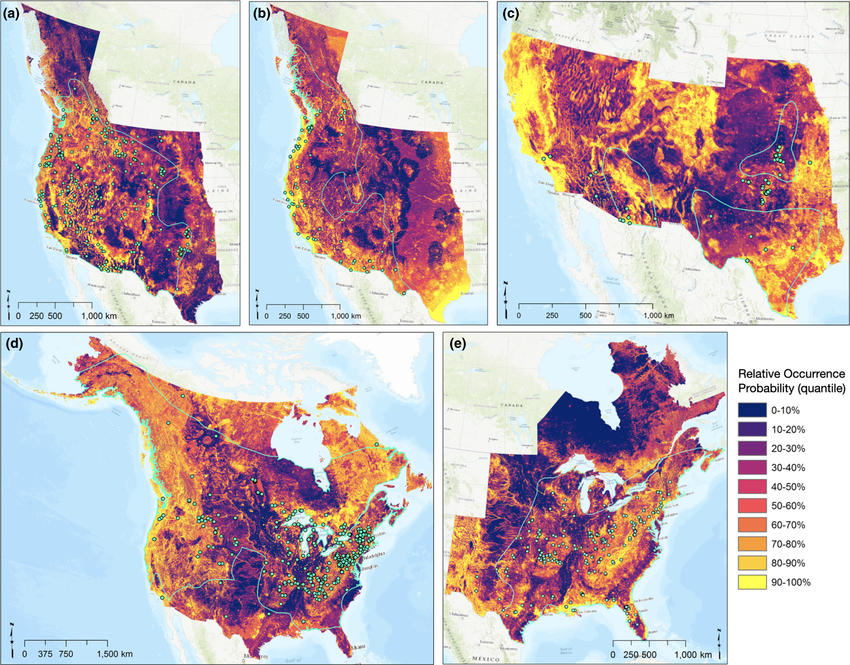
Endangered species live on DOD installations across the US and impact operations. We built models to help DOD/DOE land managers assess and respond to this problem.

Tools we built along the way

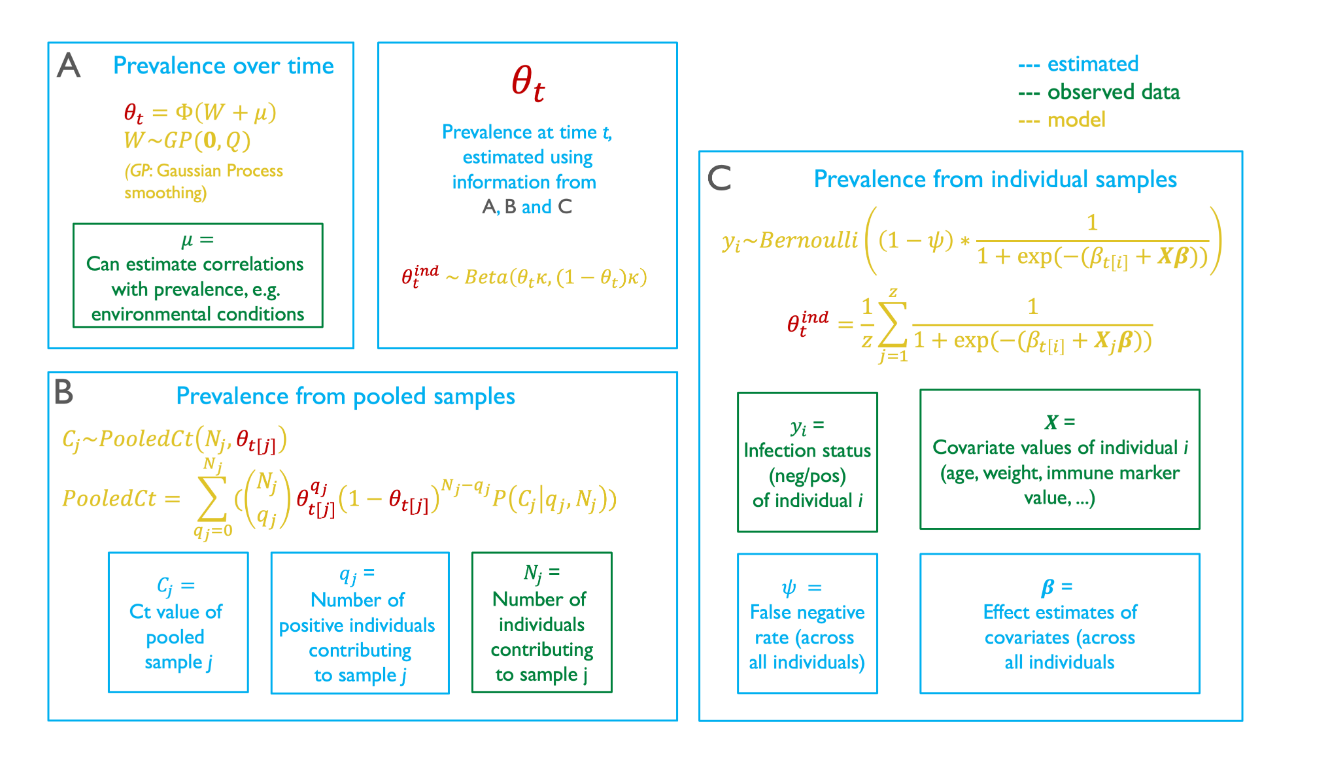
I have been fortunate to work with collaborators who were developing new statistical and mathematical frameworks (graph-partitioning algorithms for phylogenetic data to methods for reconstructing pathogen prevalence from imperfect samples). These tools have found applications well beyond the projects they were built for.