Select Publications
Computational epidemiologist. The projects below reflect three themes I work on: the epidemiology of zoonotic disease, infection biology in non-model species, and methods development for messy surveillance data.
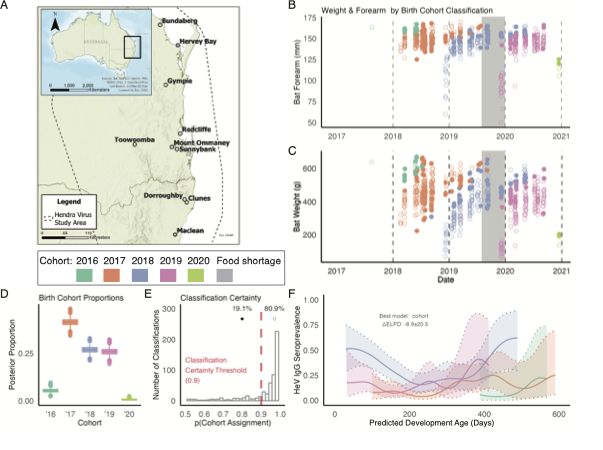
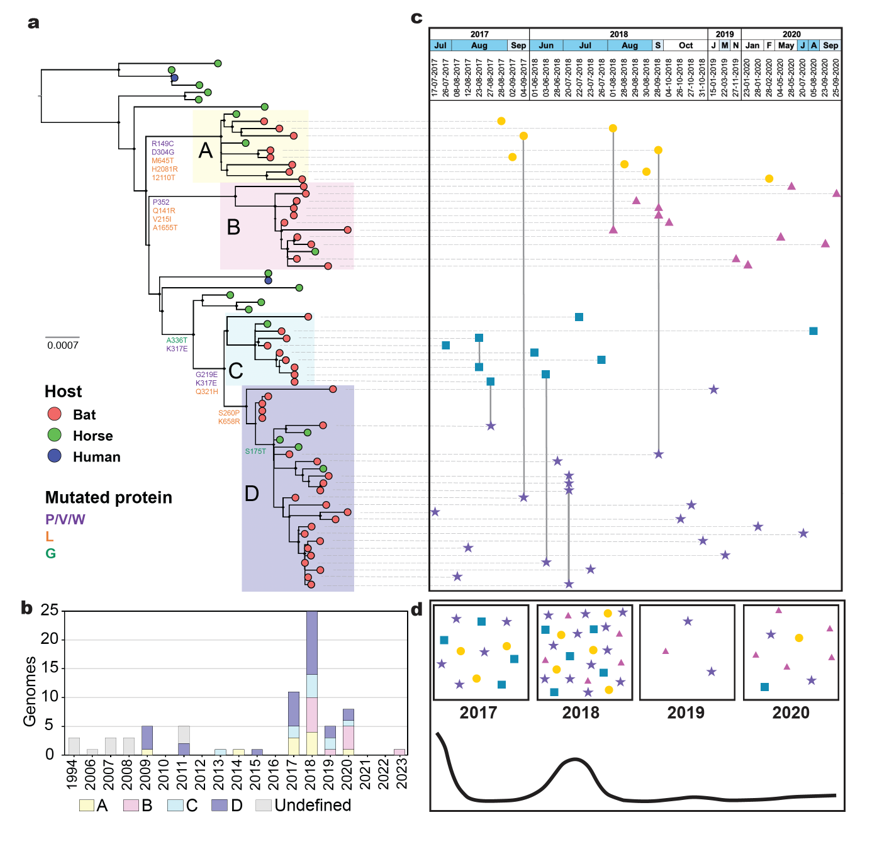
Cohorts of immature Pteropus bats show interannual variation in Hendra virus serology
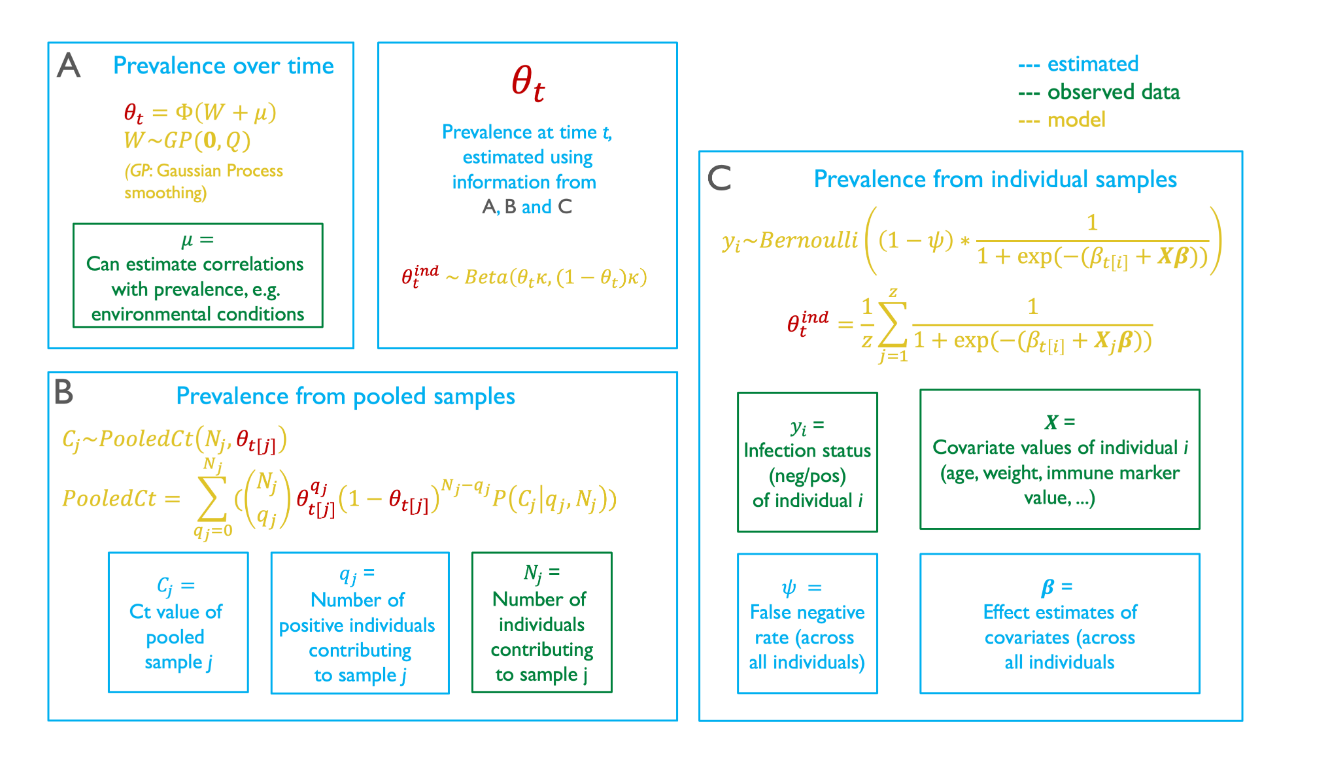
Bayesian surveillance models on longitudinal serological data identify high-risk windows for viral emergence.
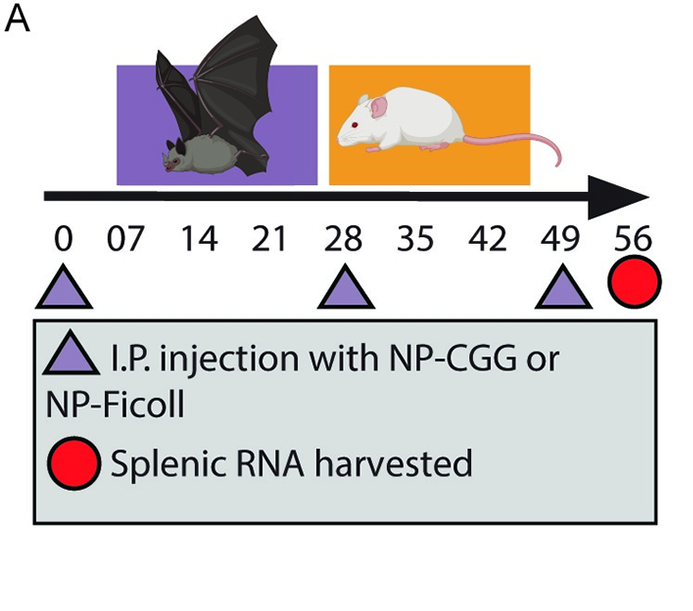
Bats generate lower affinity but higher diversity antibody responses than those of mice, but pathogen-binding capacity increases if protein is restricted in their diet
Bayesian models of immune dynamics applied to high-throughput sequencing in a non-model reservoir host.
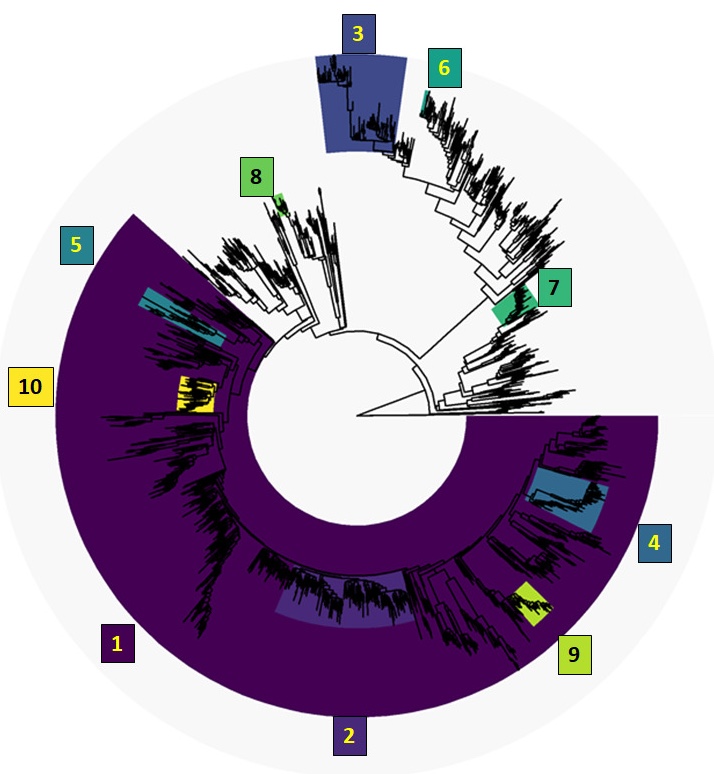
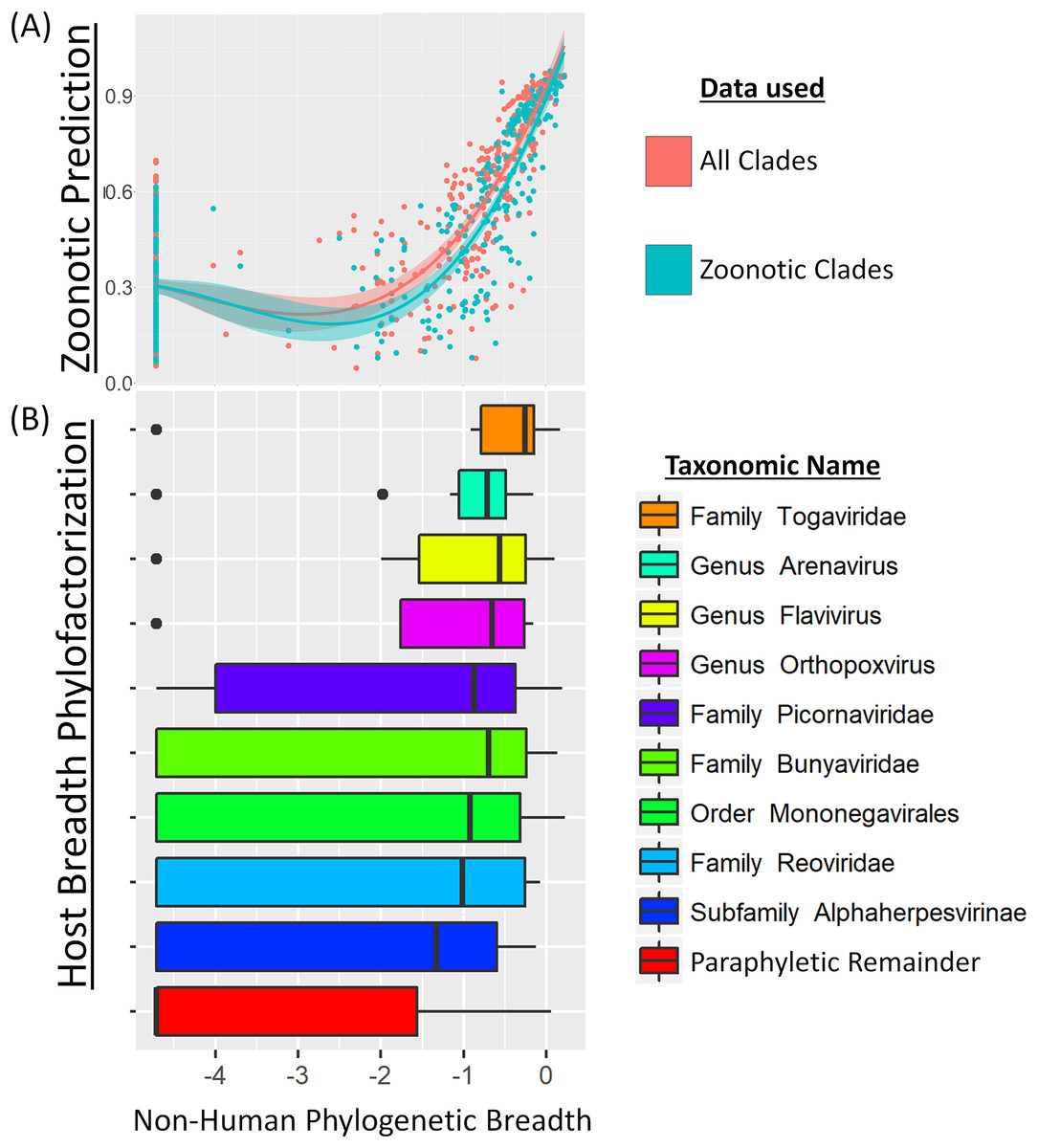
Identifying Suspect Bat Reservoirs of Emerging Infections
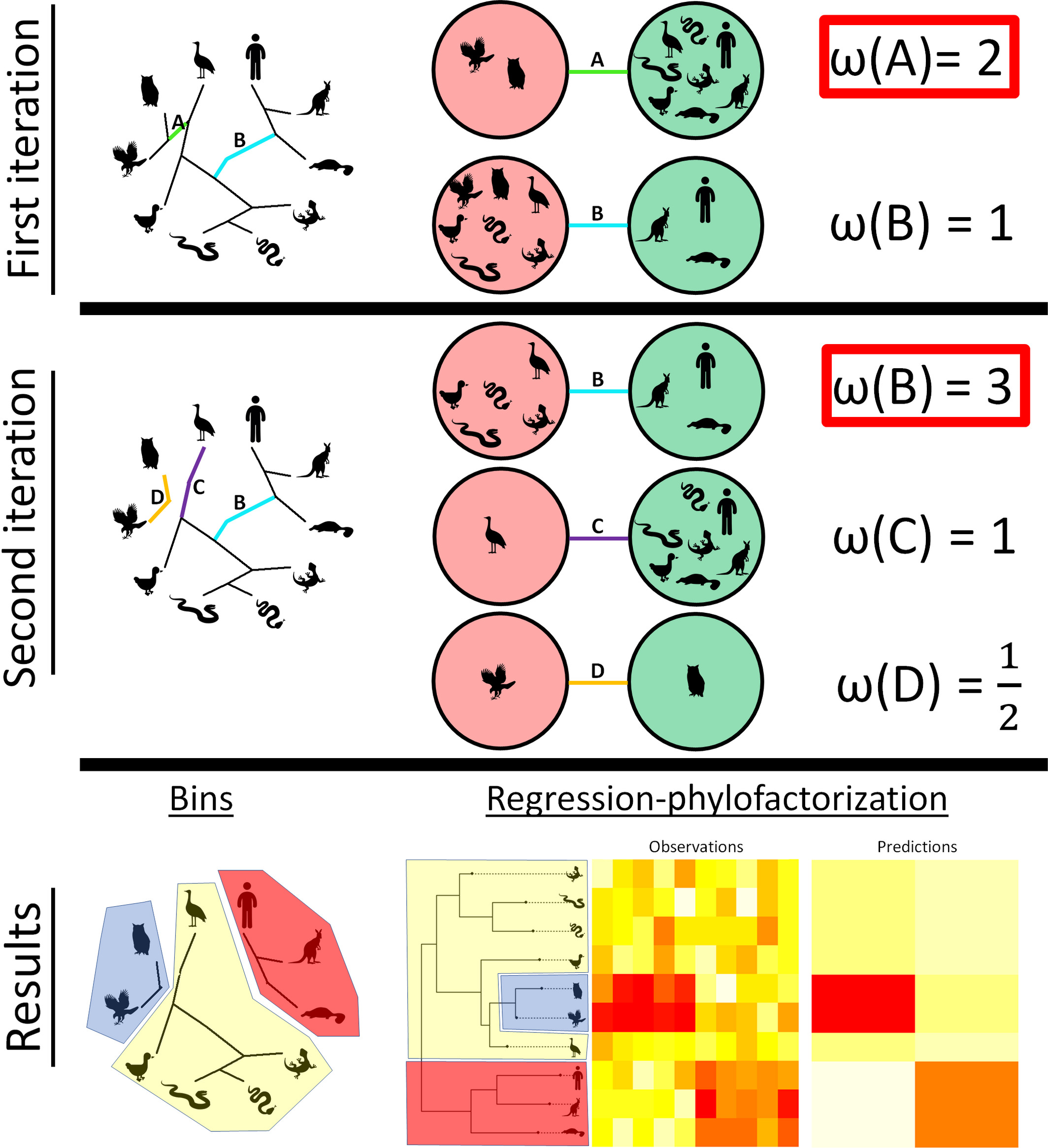
Machine learning and phylogenetic methods to predict animal reservoirs of Ebola and the henipaviruses from trait and genomic data.
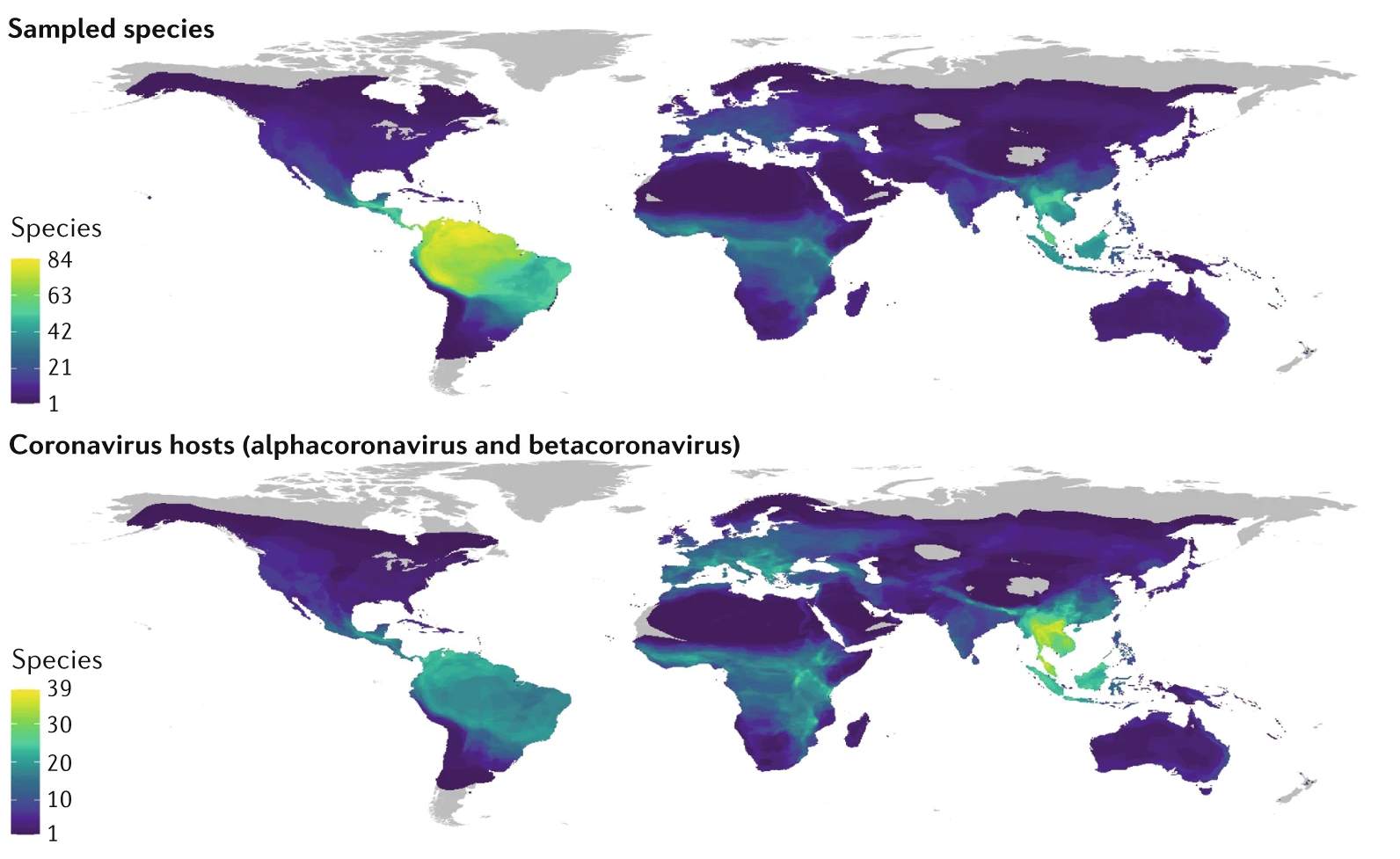
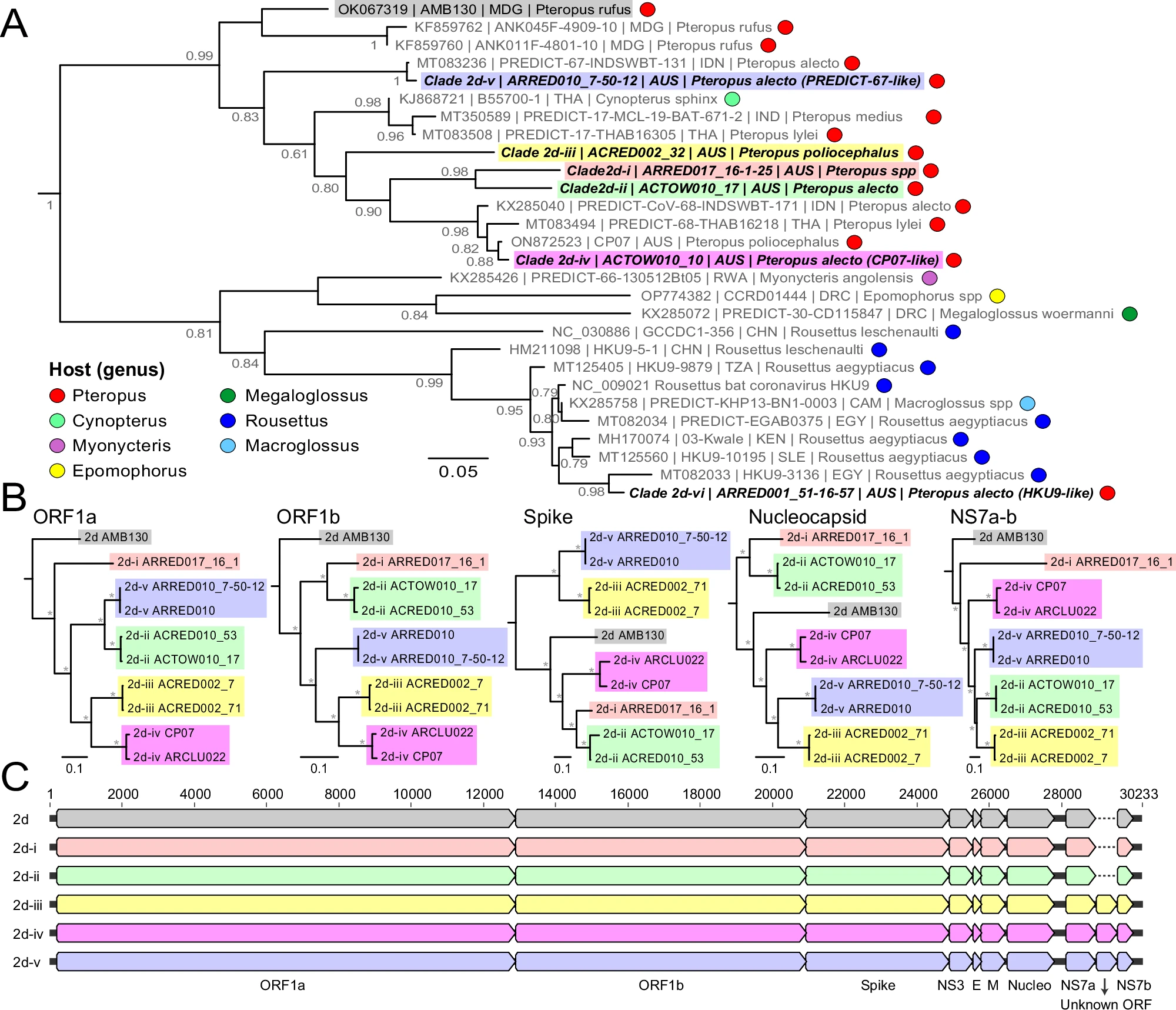
Ecology, evolution and spillover of coronaviruses from bats
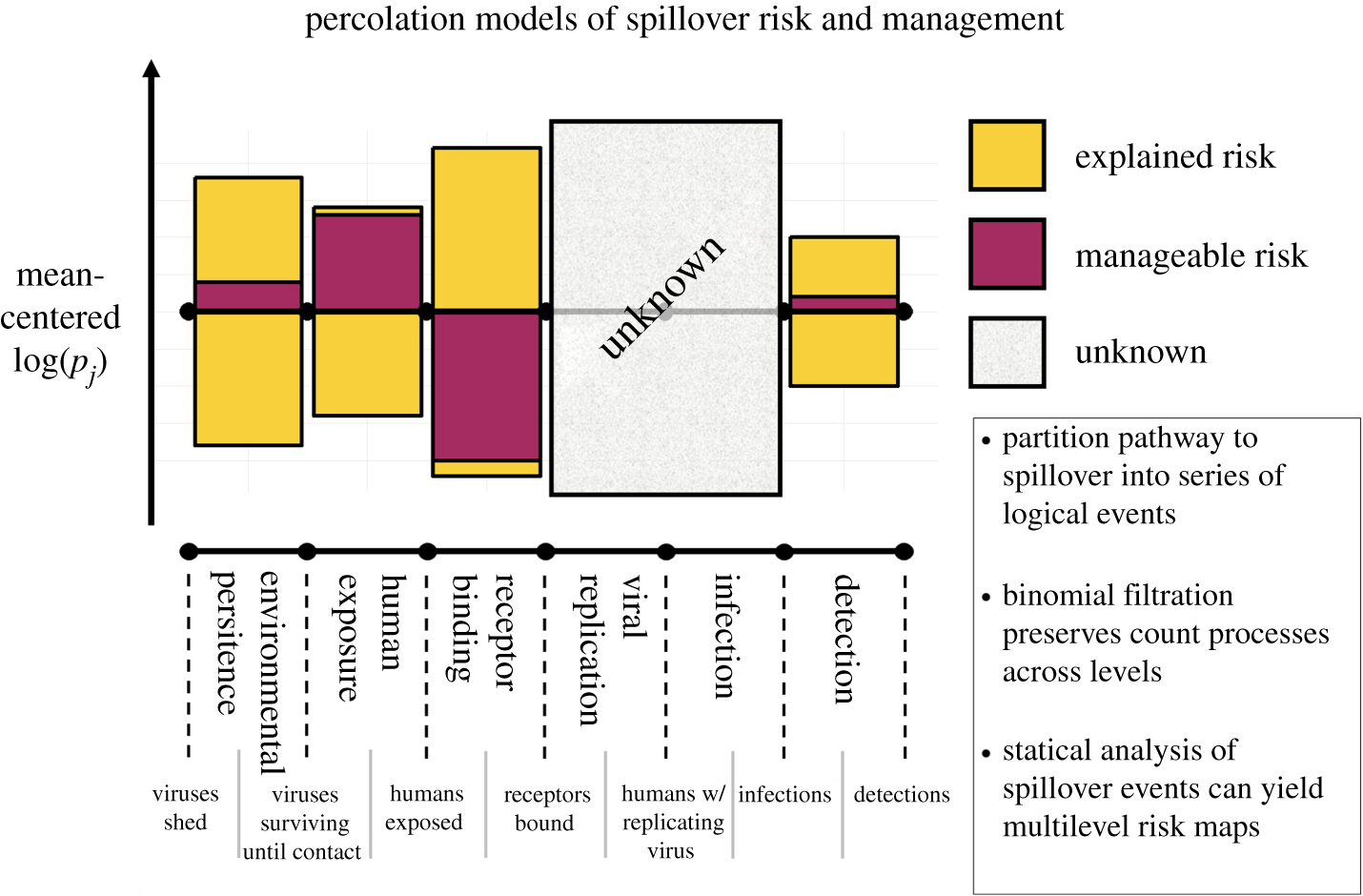
A synthesis of the ecology, evolution, and emergence pathways of the coronavirus family.
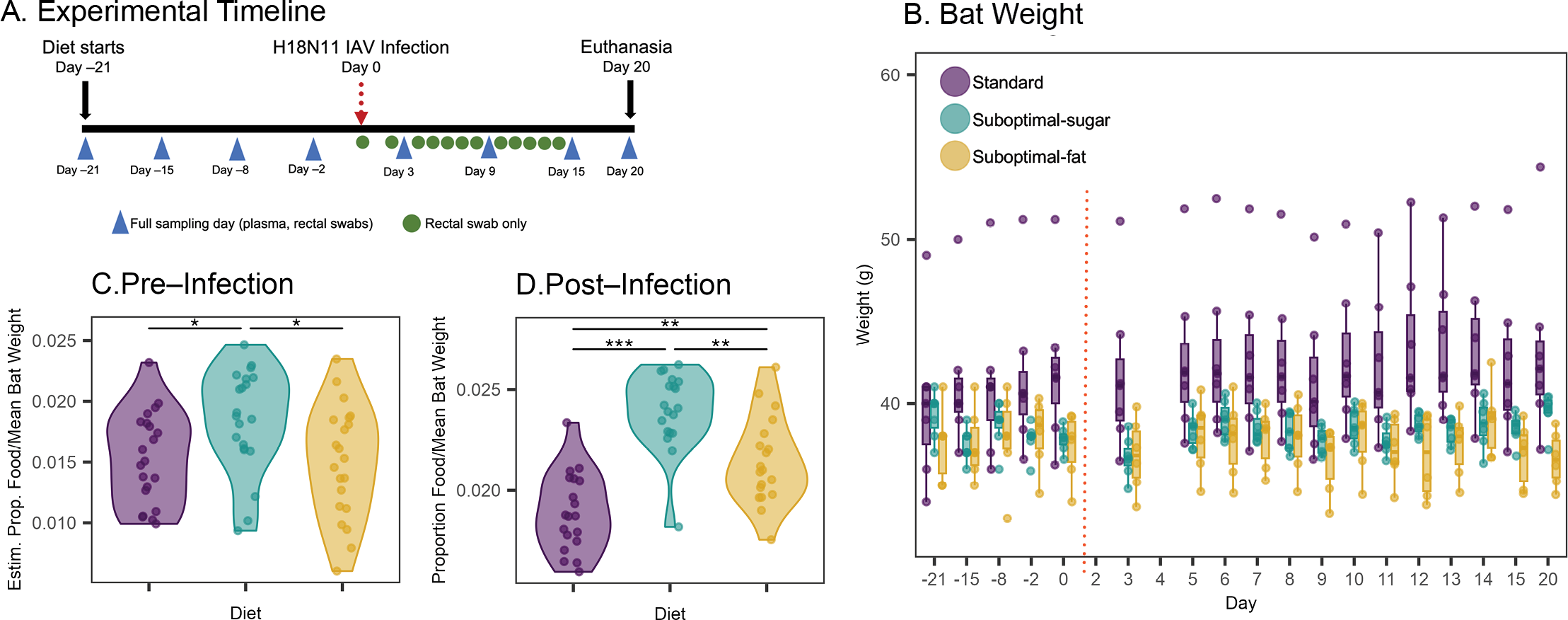
Diet-induced changes in metabolism influence immune response and viral shedding in Jamaican fruit bats
Controlled experiments linking host metabolic state to viral shedding — a mechanistic input to spillover risk models.
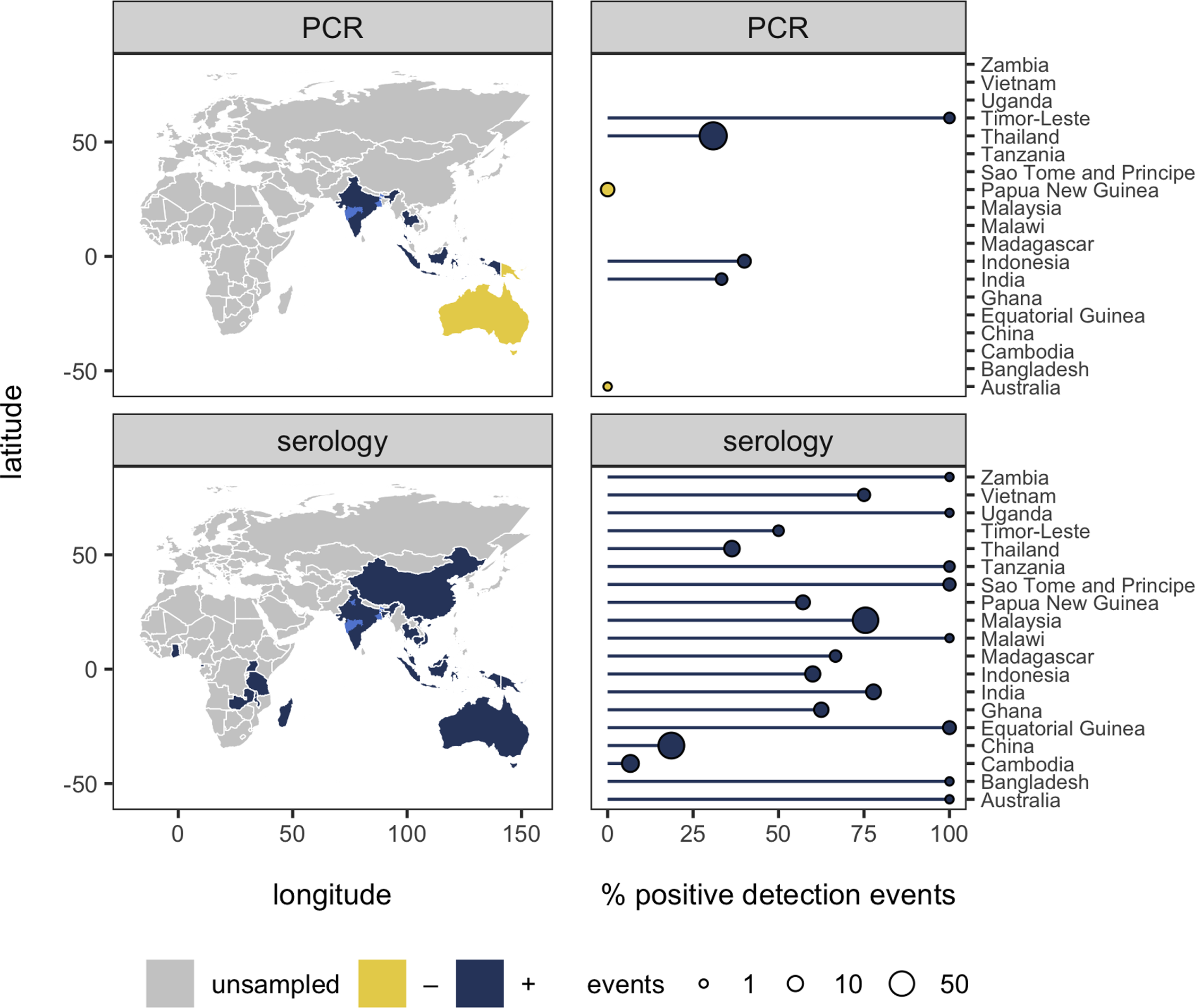
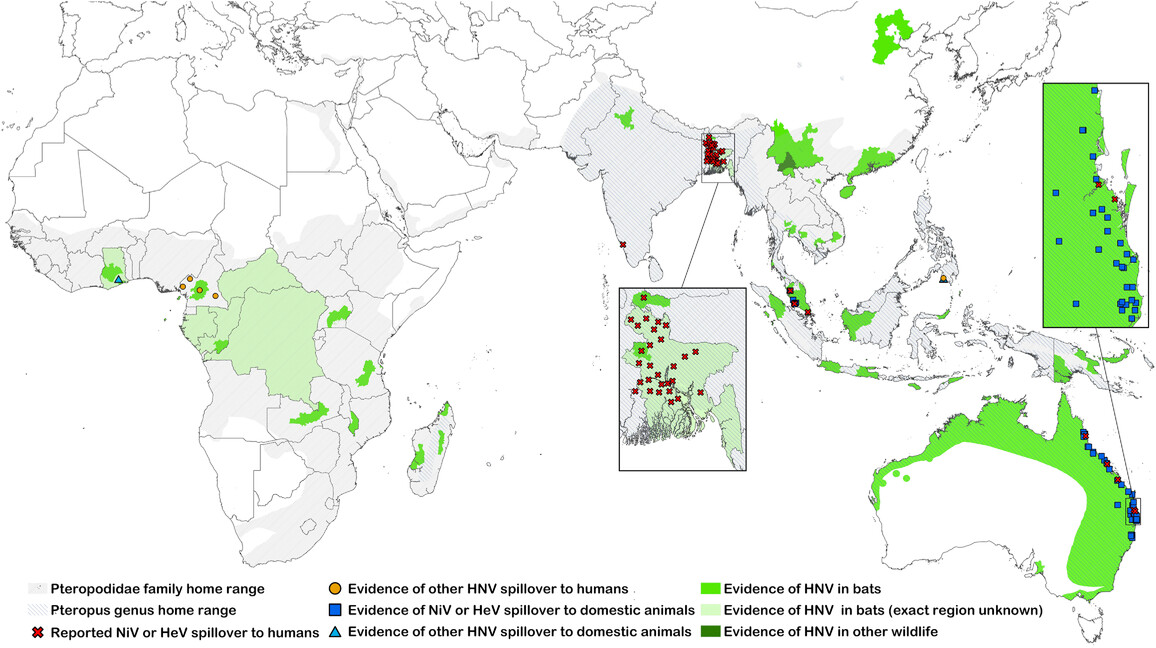
Prioritizing surveillance of Nipah virus in India
Spatial epidemiology and surveillance prioritization following an unexpected outbreak.